Blogs
How UX Research is Transforming Maternal Healthcare in India

Leena Jain
Posted On July 1, 2025
The Critical Role of Trained Healthcare Workers
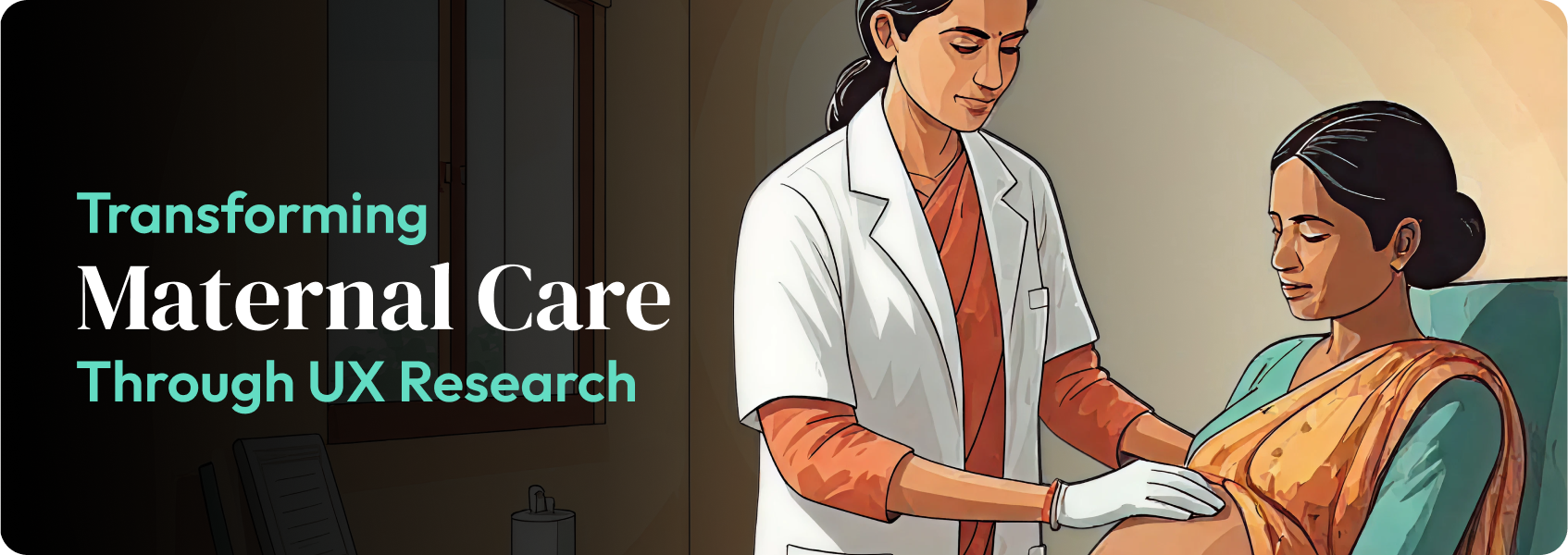
Access to quality maternal healthcare remains is a significant challenge across the globe. In India, a key hurdle lies in empowering frontline health workers, specifically Auxiliary Nurse Midwives (ANMs), with the skills and knowledge they need to provide timely and effective care. Inadequate training, high workloads, and a lack of readily accessible, practical learning tools often lead to delayed and irrational referrals, putting mothers and babies at risk.
This was the pressing challenge faced by ARMMAN, a social impact organization dedicated to reducing maternal and child mortality and morbidity in India through innovative mobile health technology. They recognized the need to improve their existing learning management system (LMS) for ANMs, and that’s where PeepalDesign stepped in.
Effective solutions stem from a deep understanding of the people they serve
Our core responsibility in this project was to uncover the specific learning mindsets of ANMs, particularly concerning high-risk pregnancies (HRPs). Our goal was to surface fundamental design principles that would lead to a learning tool with sustained, real-world impact.
Our Process: A Deep Dive into Understanding
We had worked with ARMMAN in the past with populations of both pregnant women (ANCs) and Auxiliary Nurse Midwives (ANMs), so we started with leveraging past data before going on field to observe, interact with and deeply understand the ANM context in Telangana and Uttar Pradesh. Using our proprietary mindsets framework, we synthesised our findings to expand on the initial learning mindsets and developed the first design prototype of the learning tool. This iterative process ensured our designs were rooted in real user needs.
Uncovering Learning Mindsets for Lasting Impact
Our research revealed profound insights into how ANMs approach learning, and that was largely the kinesthetic style of learning by doing.
Then we uncovered the mindsets they had for learning about protocols for high-risk pregnancies, which ranged from a need to project confidence when explaining to others, to inherent interest in the subject, and also ideas of wanting clear, unambiguous directions.
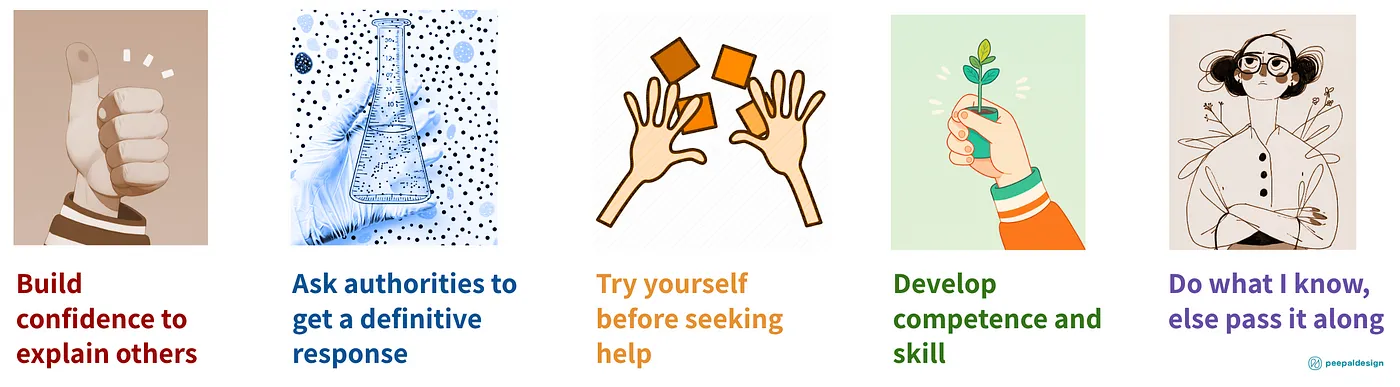
Our research helped us define distinct groups of ANMs that represent the real-life individuals, each with unique motivations, sometimes contradictory mindsets, pains, delights, and critical needs, providing a nuanced understanding of their learning journey.
This project with helped us leverage rigorous UX Research for social good. By deeply understanding the human element — the ANMs themselves — we helped design a learning tool that is useful for ANMs to help them be better equipped, and for lower irrational referrals to the PHCs leading to better care for everyone.